30th Sept 2019 - 31st Dec 2019
Daphne Wright
EMOTIONAL ARCHAEOLOGY

Arnolfini | Tyntesfield National Trust | RHA Dublin
EMOTIONAL ARCHAEOLOGY
30th Sept 2019 - 31st Dec 2019
Daphne Wright
Arnolfini | Tyntesfield Notional Trust | RHA Dublin
September - December 2019
Emotional Archcaeology
Emotional Archaeology presents a number of key works spanning Daphne Wright’s career, and is the most comprehensive presentation of the artist’s work in the UK to date. Wright has been based in Bristol for nearly two decades, dividing her time between the city and Ireland. Often working from her studio at home, her practice draws on the suburban and the domestic realm to explore complex social issues and our understanding of society. The exhibition includes major sculptural works alongside films, prints, drawings and newly produced works, all of which invite the viewer to consider them on an emotional level.
Over twenty-five years, Wright’s work has been driven by a relentless curiosity in the ways in which materials can express unspoken human preoccupations. The artist often turns to traditional craft and figurative techniques in order to explore intimate and domestic issues such as parenting, ageing, care and our relationship with animals. Simultaneously both exquisite and shocking, in Wright’s work the personal is always political and what seems benign and non-threatening is shadowed by something darker and more troubling.
Emotional Archaeology is curated by Josephine Lanyon and presented alongside an exhibition of the same name at National Trust Tyntesfield (10 September – 20 November), where two installations by Daphne Wright respond to the history of the Victorian Gothic house and estate. The chapel will house filmic portraits of individuals in intensely private moments of prayer and meditation. In contrast, cast and photographic works in the main house examine a history of breeding and lineage.
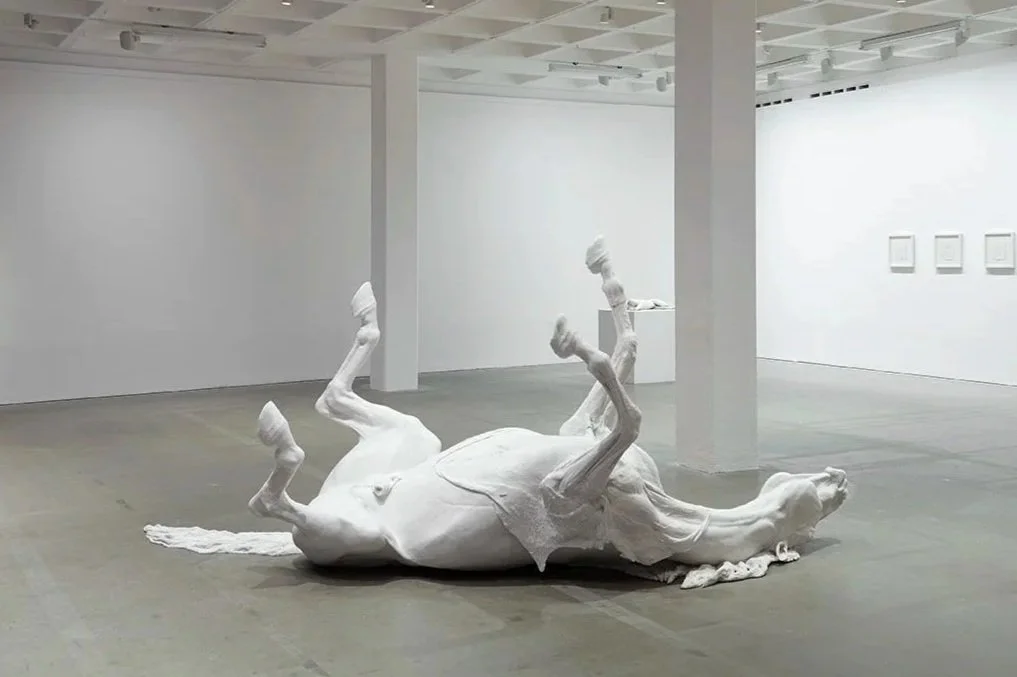
DAPHNE WRIGHT
Stallion, 2009
Marble dust and resin
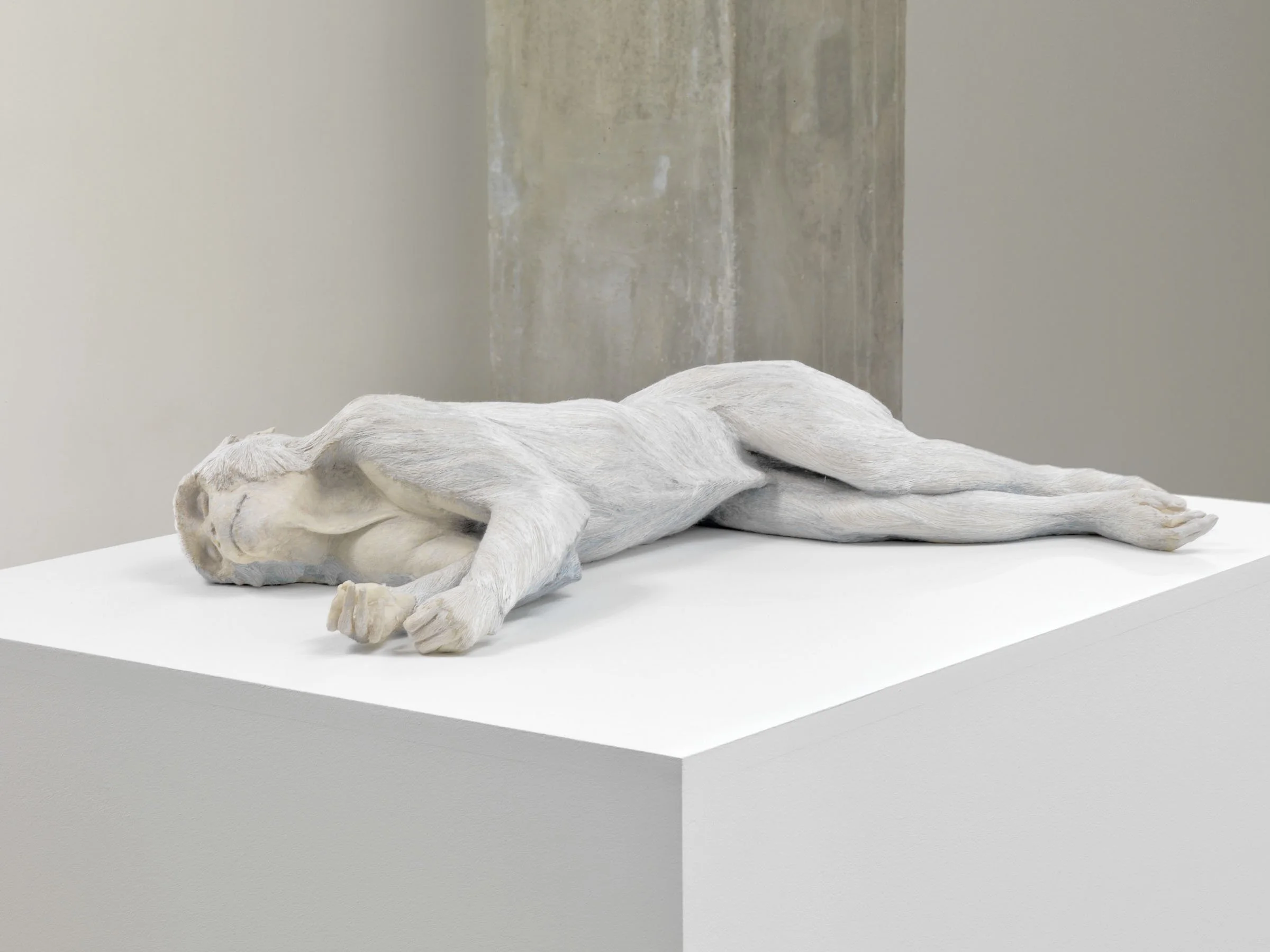
DAPHNE WRIGHT
Primate, 2009
Marble dust, onyx, resin, paint and silk embroidery
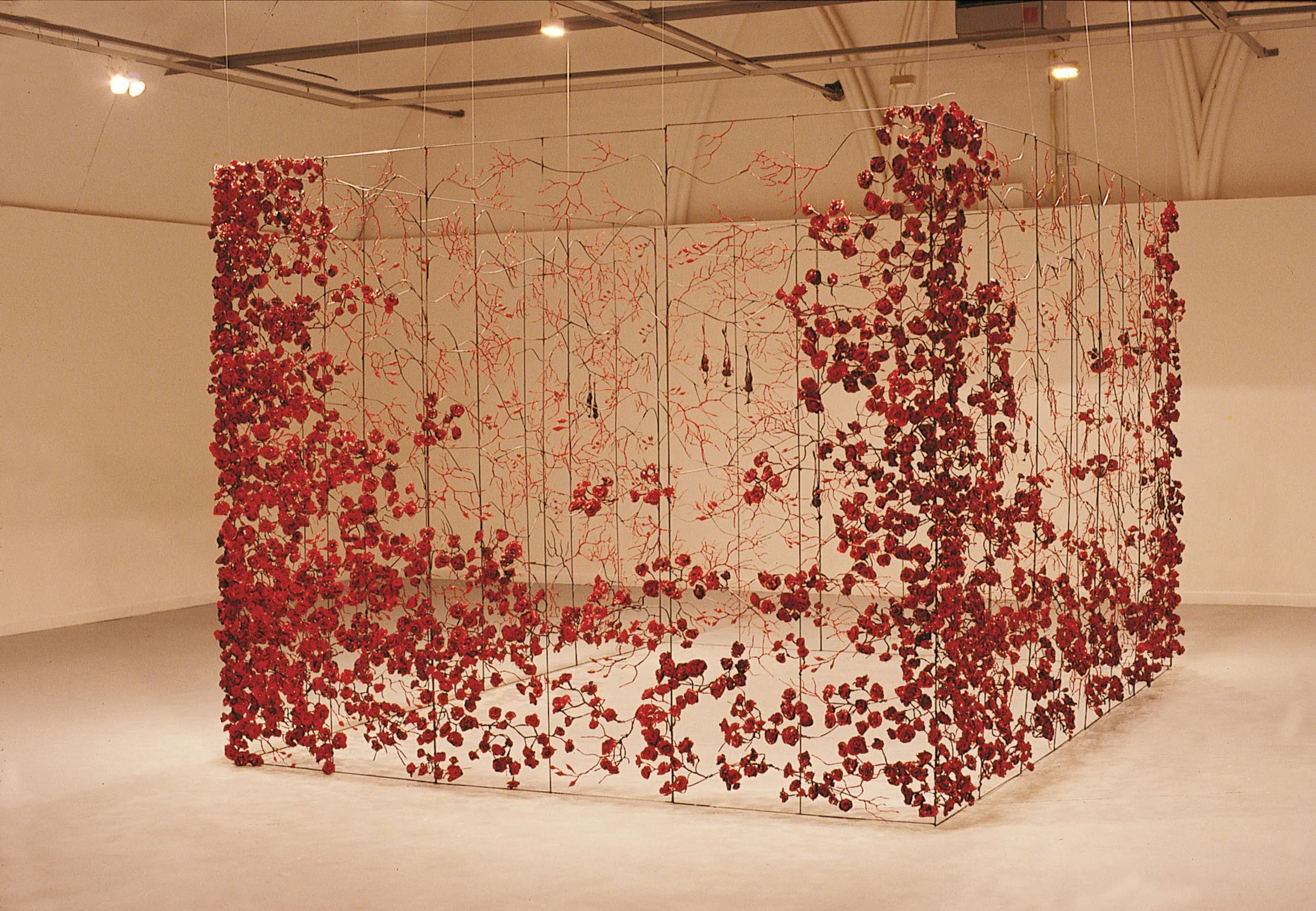
DAPHNE WRIGHT
They've Taken to Their Beds, 1997
Tin foil, metal, paint
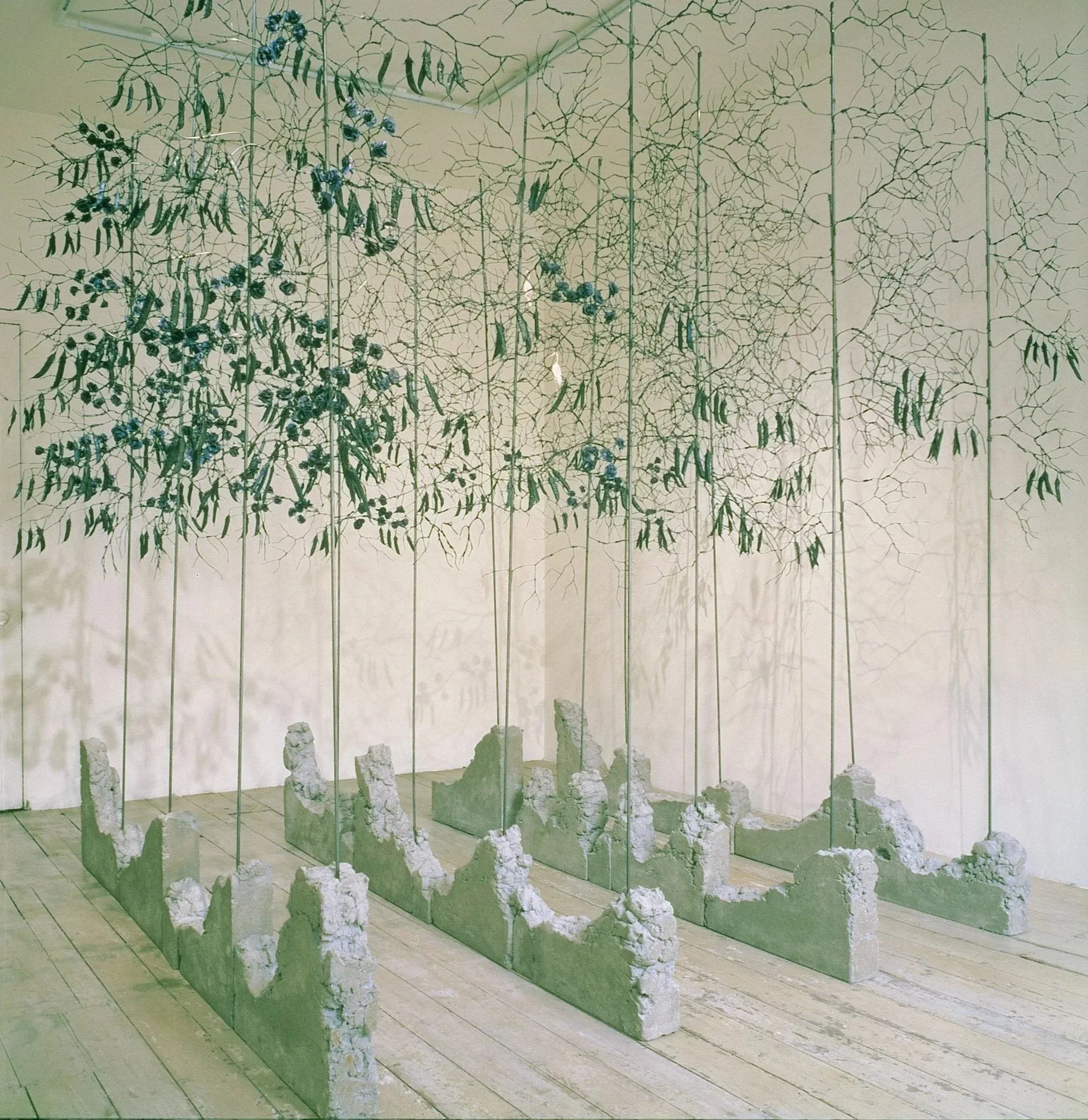
DAPHNE WRIGHT
Nonsense and Death, 1998
Tinfoil, wire, paint and audio
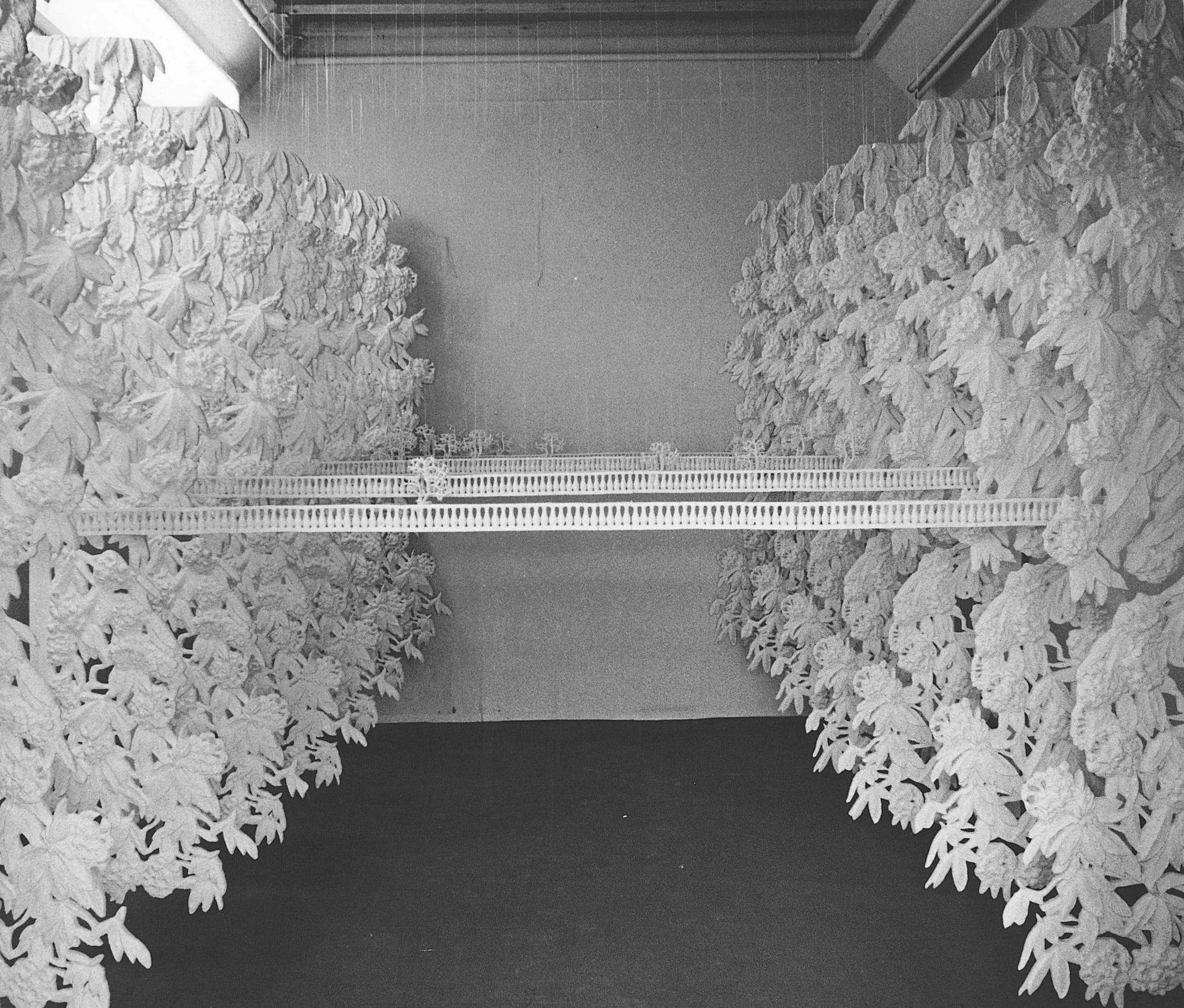
DAPHNE WRIGHT
Looking for the Home of Sickness, 1992
Plaster, metal and continuous loop tape
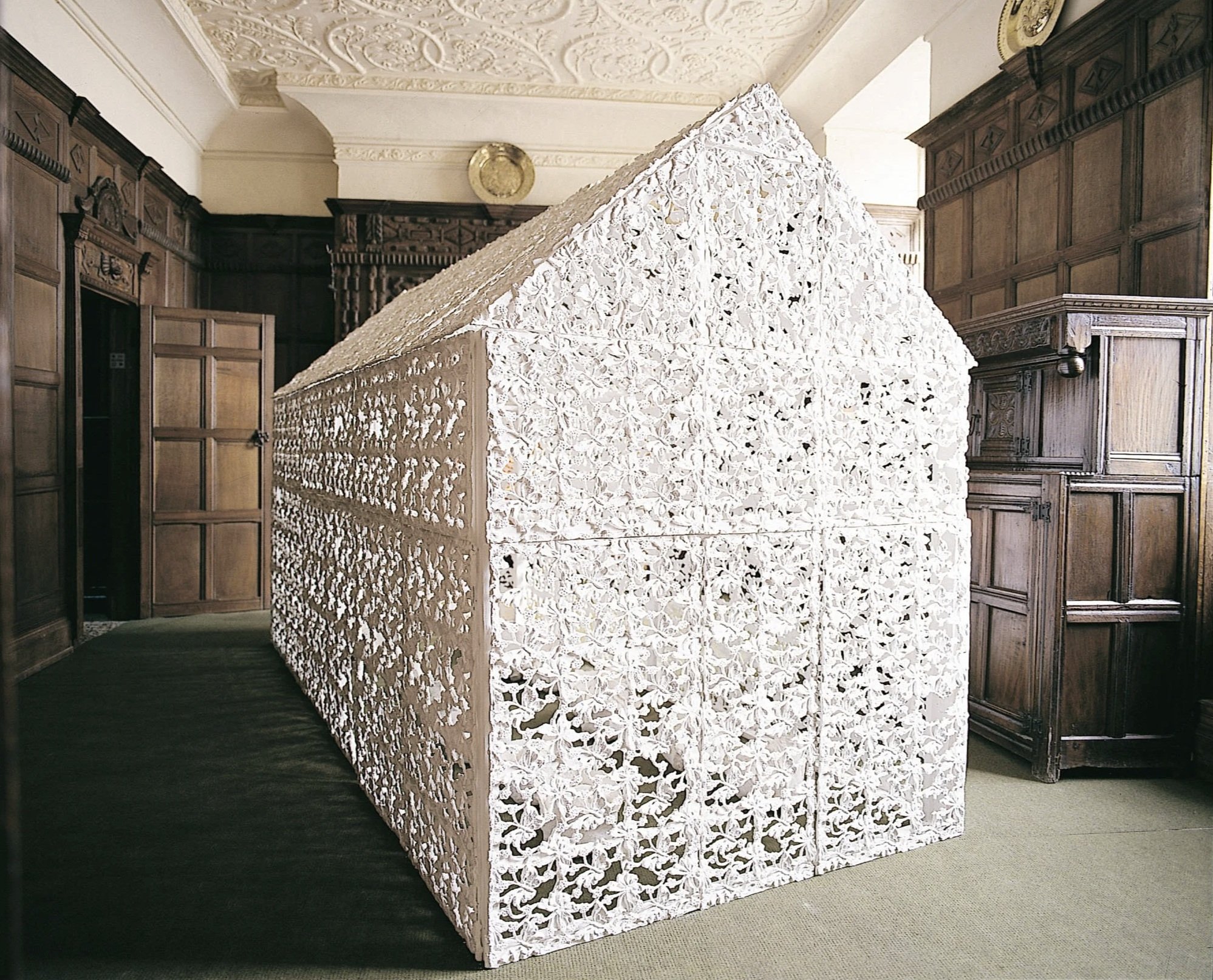
DAPHNE WRIGHT
Still Life: The Greenhouse, 1995
Plaster
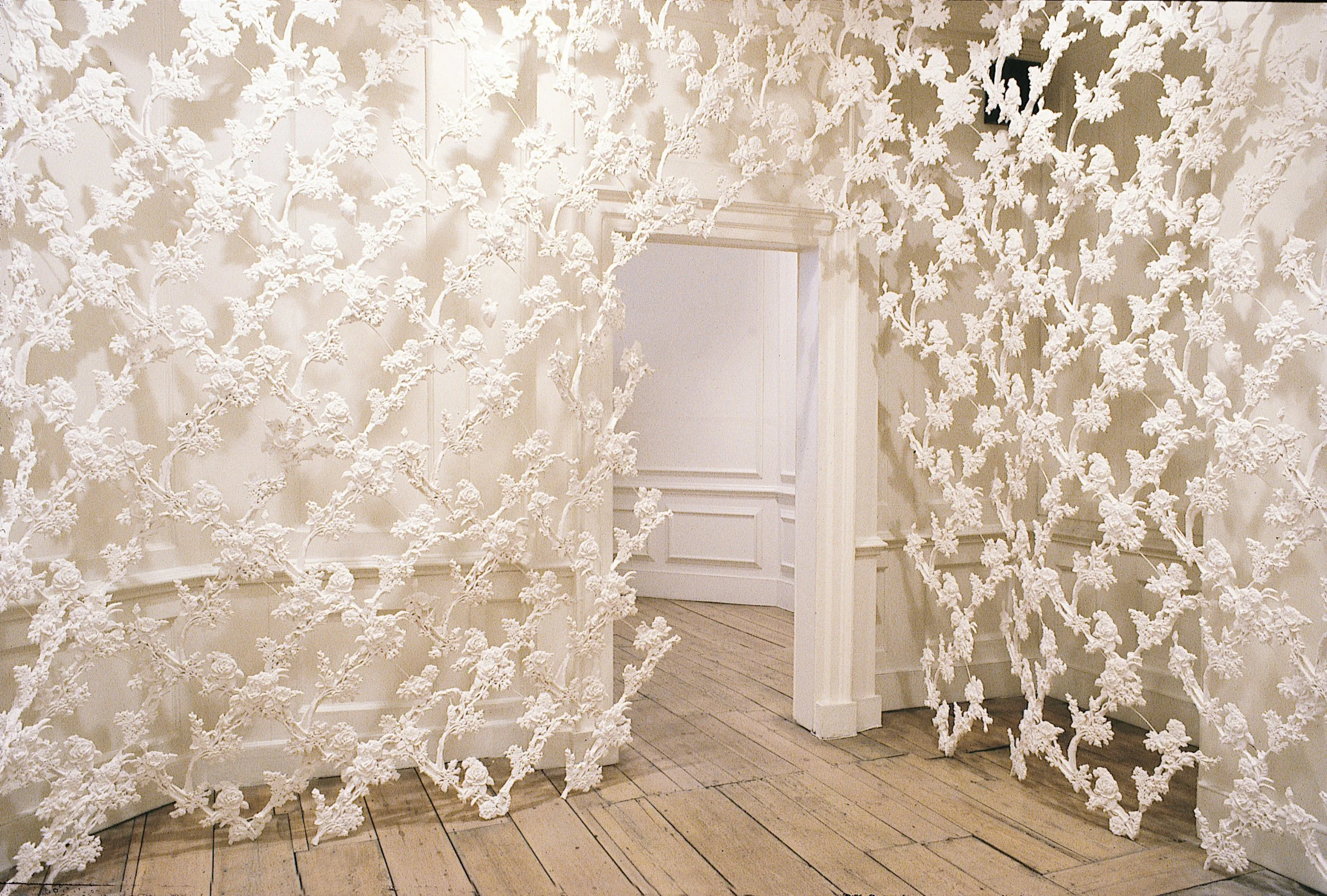
DAPHNE WRIGHT
Domestic Shruberry, 1994
Plaster, sand and audio
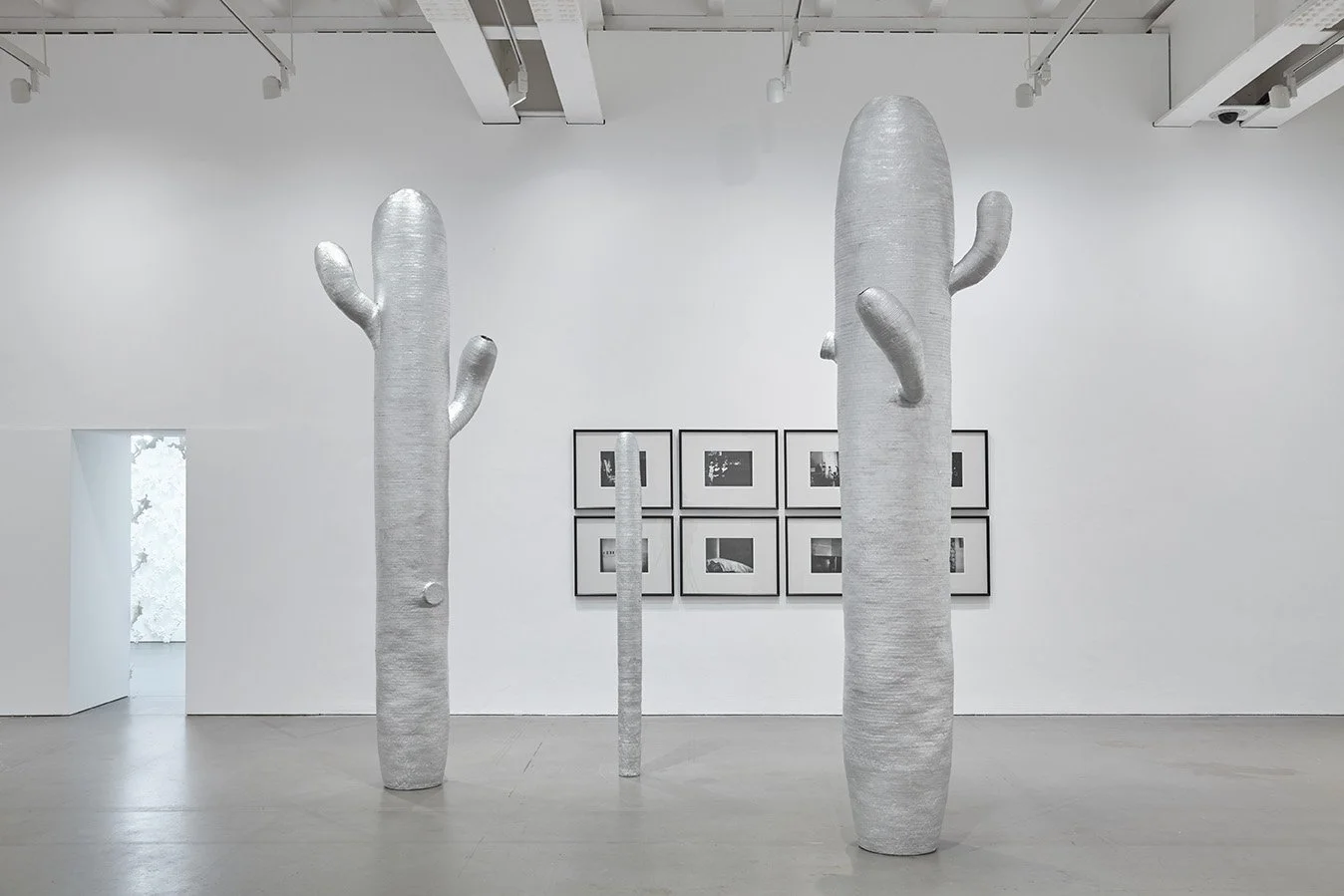
DAPHNE WRIGHT
Where Do Broken Hearts Go?, 2000
Tinfoil, glue, resin, audio, and a series of 9 continuous-tone photopolymer intaglio plates
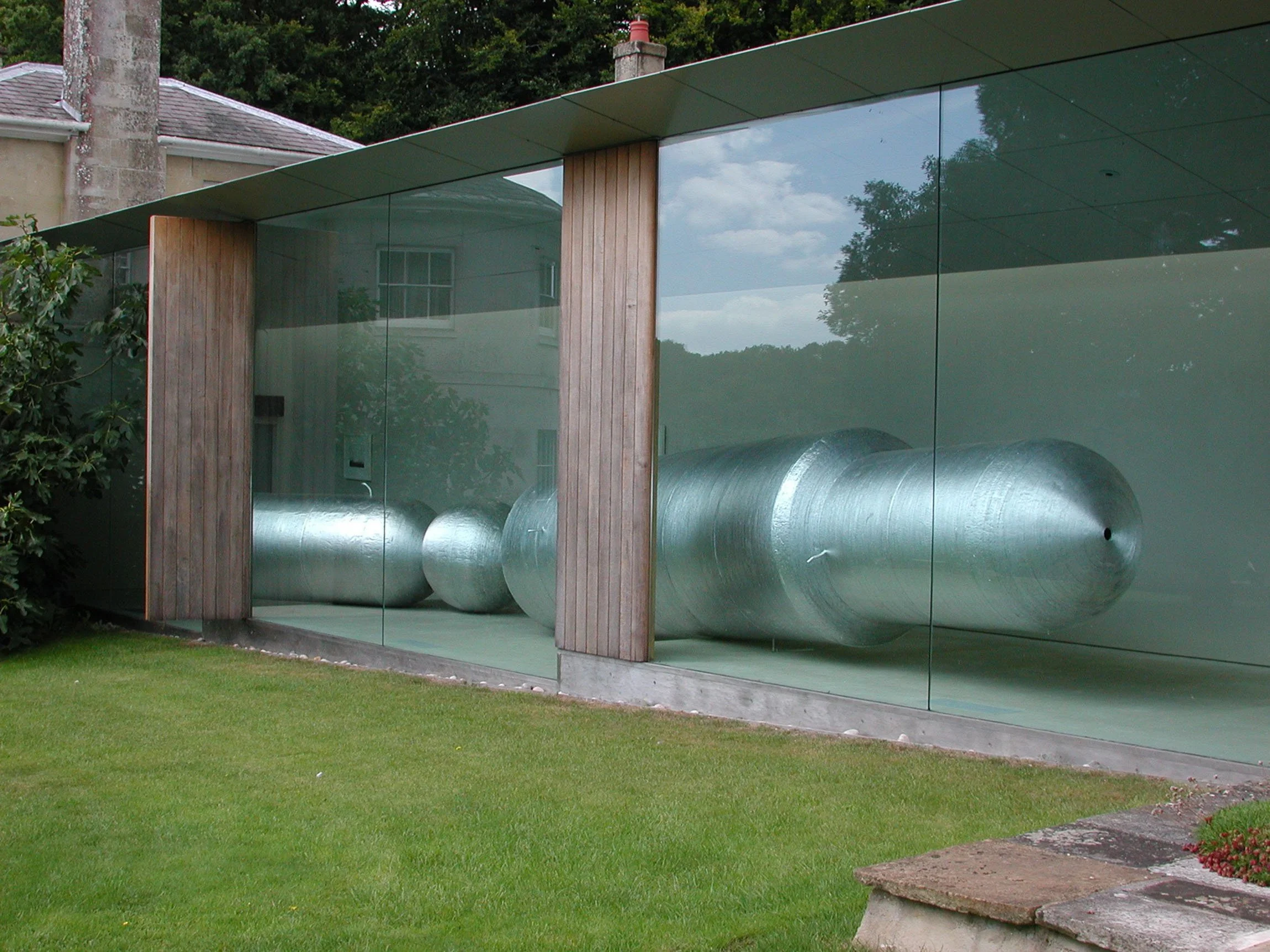
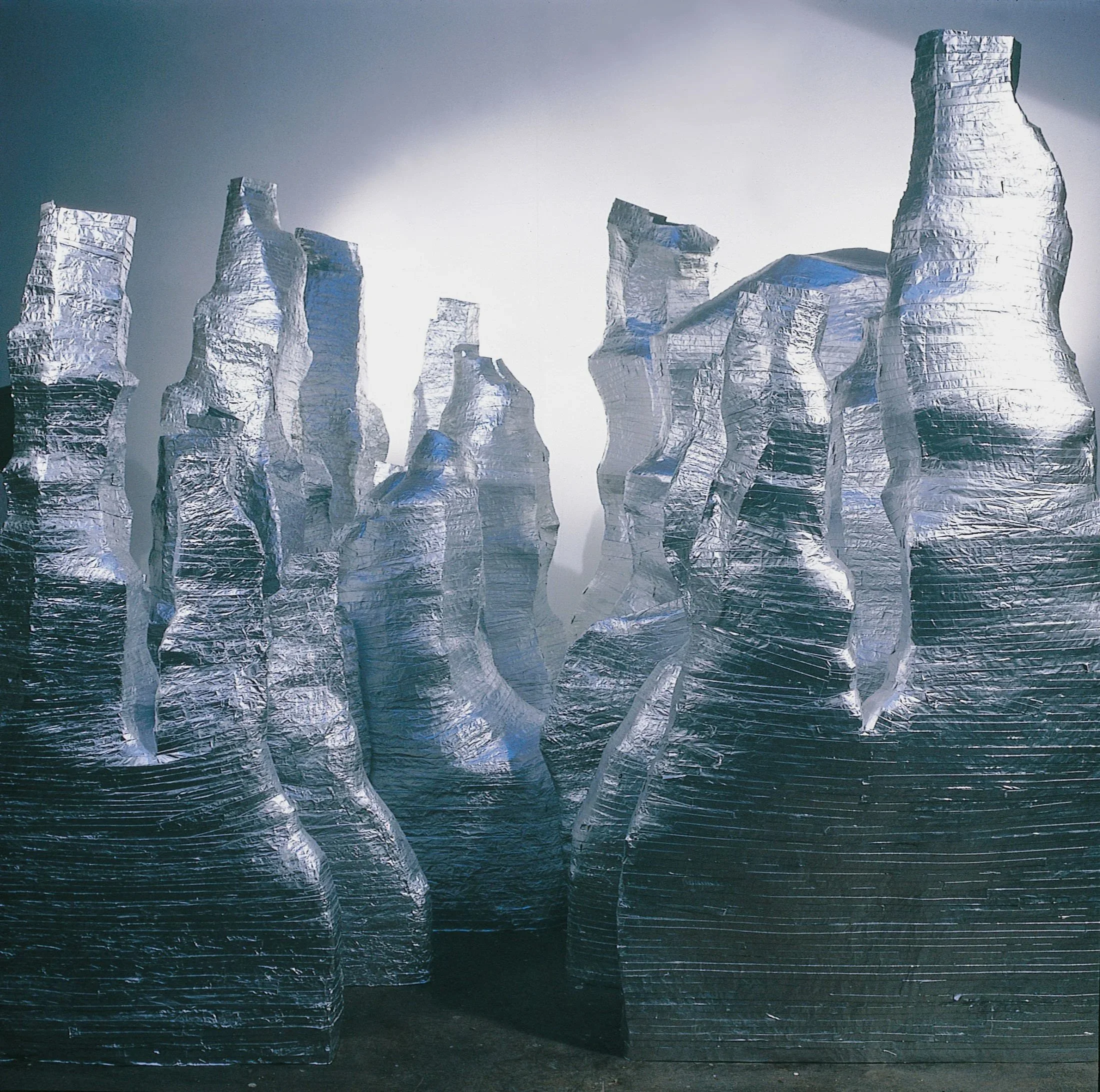
DAPHNE WRIGHT
These Talking Walls, 2001
Tinfoil, fibreglass, audio and 4 photopolymer intalgio plates
DAPHNE WRIGHT
Indeed, Indeed, 1998
Tin foil, glue and continuous loop tape
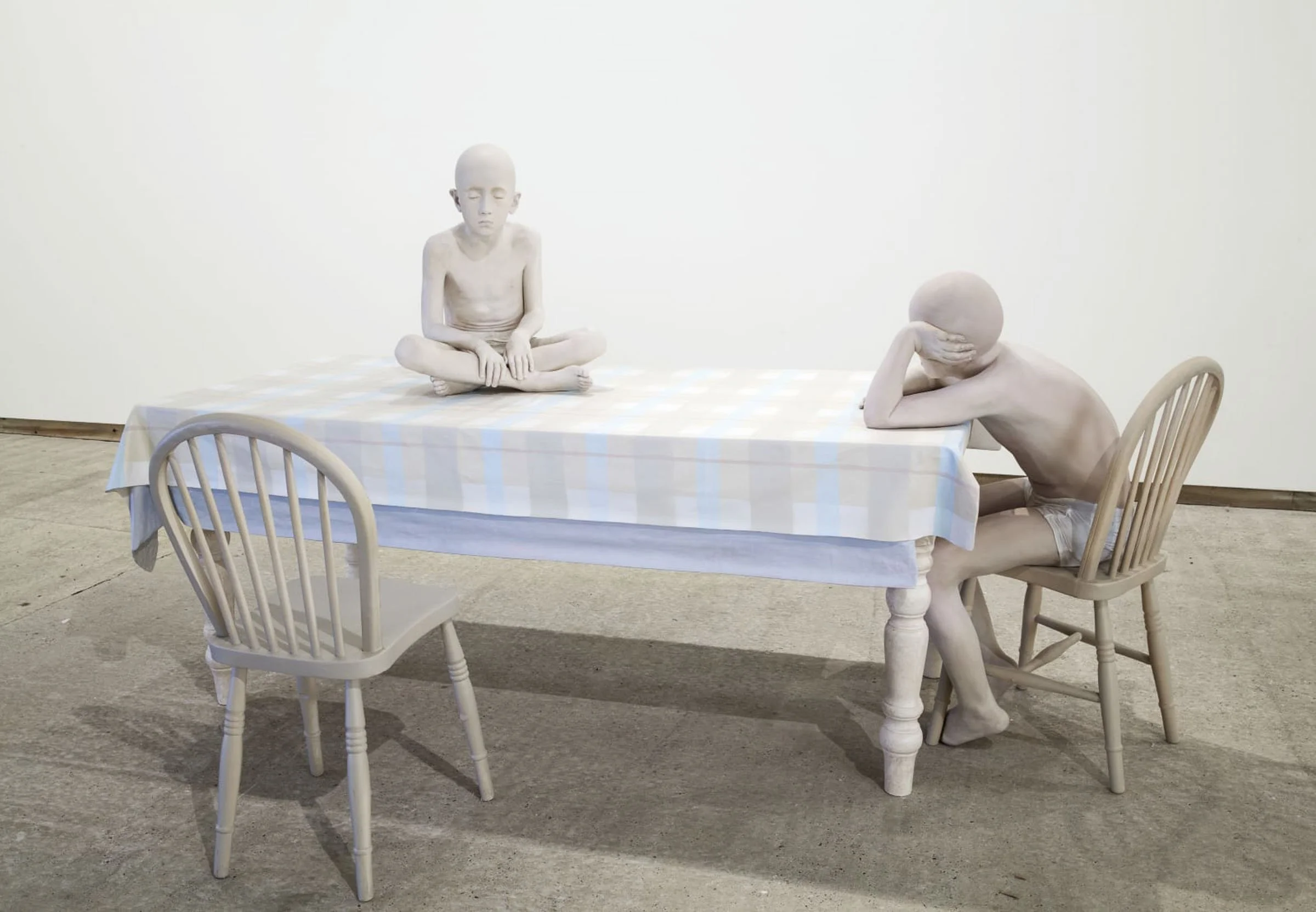
“Kitchen Table presents a quietly harrowing scene, where the stillness of the figures suggests exhaustion, grief and the strain of care....The overall effect is unsettling, drawing viewers into situations that feel both familiar and deeply uncomfortable.”
“The personal is always political...Emotional Archaeology draws on the suburban and domestic realm to explore complex social issues.”
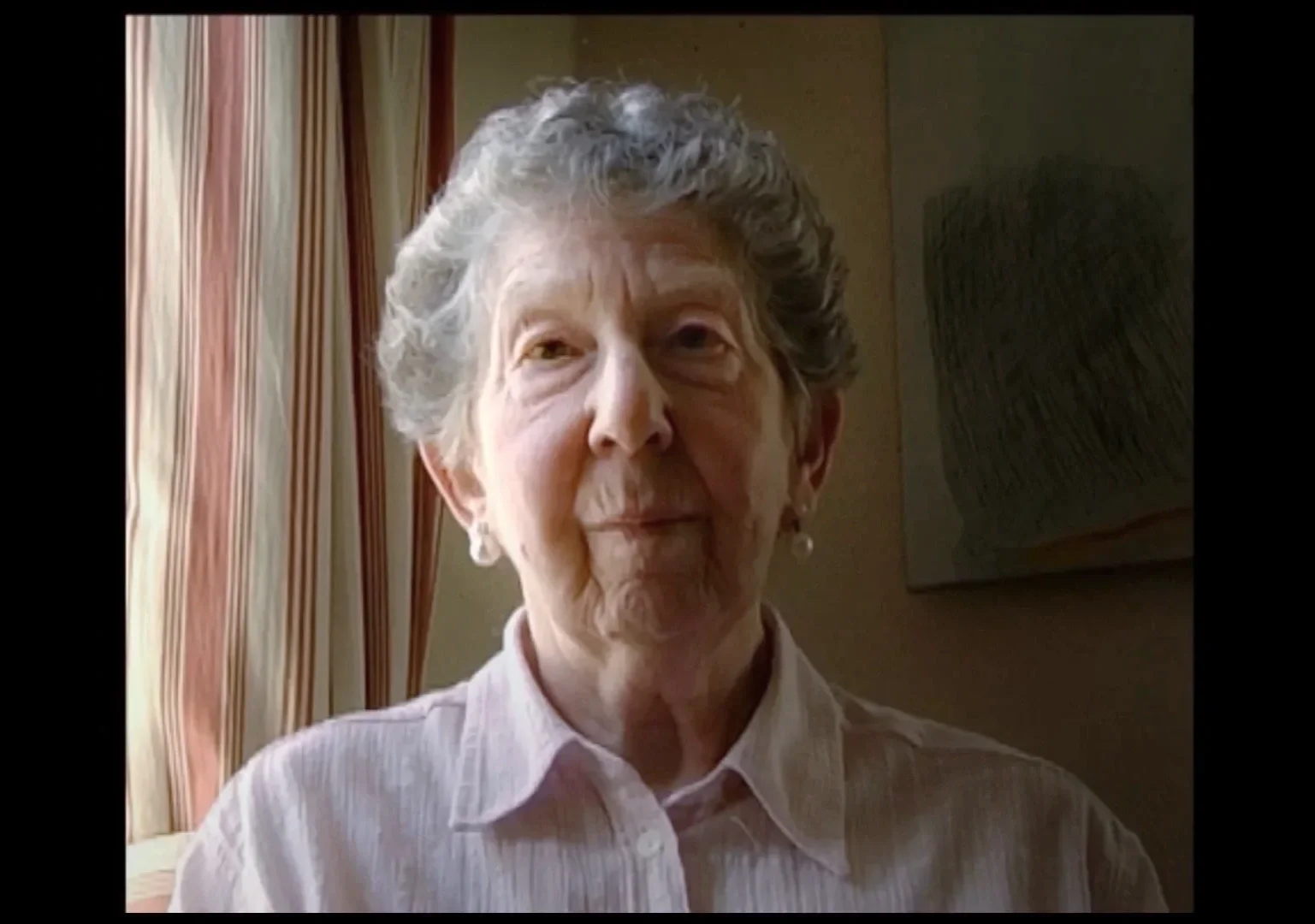
I know what it’s like, 2012
Digital video
6 minutes, continuous loop
The film consists of an elderly woman’s performance of six disrupted statements to camera: it is a haunting evocation of memory, heartache and isolation. Wright’s research for this work led her to examine the representation of motherhood, guilt, love and vengeance in literature, theatre and art.
The Medea, for example (a painting of which hangs in Elizabeth Dysart’s private closet at Ham House) is a Greek tragedy that tell the story of a woman who, betrayed by her husband, seeks revenge by killing her own children. The layered script has two main components; the first is based on Shakespeare’s Lady Macbeth speech in which she goads her husband to murder, and the second is abstracted speech. The phonic sounds evoke the acquisition of letter sounds taught in schools or the gradual deterioration of language abilities such as repetition, digression and withdrawal associated with Alzheimer’s. The final moments of the film heighten our discomfort further.
“I Know What It’s Like evokes feelings of heartache and isolation. The artist uses soliloquy – a device whereby a character speaks to him or herself out loud. By giving voice to her thoughts and feelings, the subject in the work also shares them with the onlooker.
The artist wishes to acknowledge and thank the actor Pameli Benham
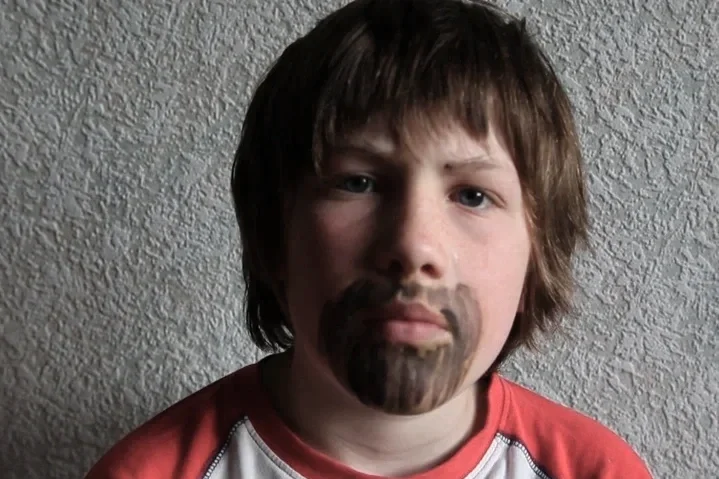
I am the Beginning, 2014
Digital video
4 minutes
This and, ‘If you Broke Me' depict a solitary young boy, each of their heads life-sized and framed by a box monitor, speaking in riddles to the camera. Each boy speaks directly and unblinkingly to the camera/viewer, with a face painted like a tiger (If You Broke Me) and with a beard (I am the Beginning). The riddles are taken from common children’s books, but with the monotony of each boys voice, and with each of their unblinking stares, a heightened tension is created. The riddles take on new meanings beyond those of simple childhood rhymes and logic puzzles.
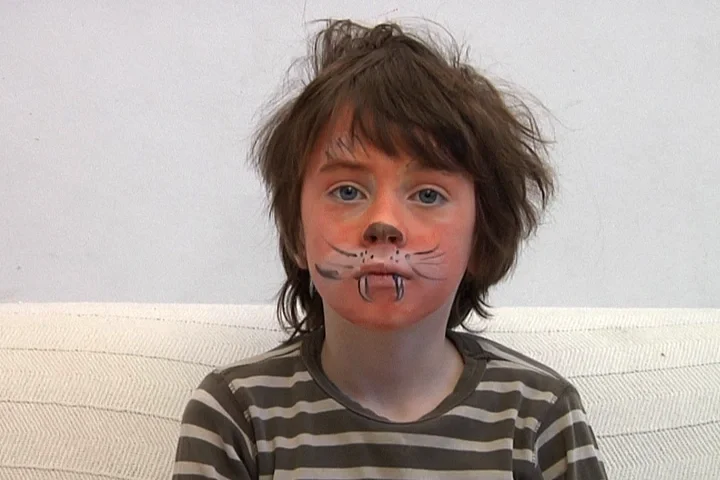
If you Broke Me, 2014
Digital video
4 mins